2025
Client
Agape
Industry
Healthcare, Lifestyle

About
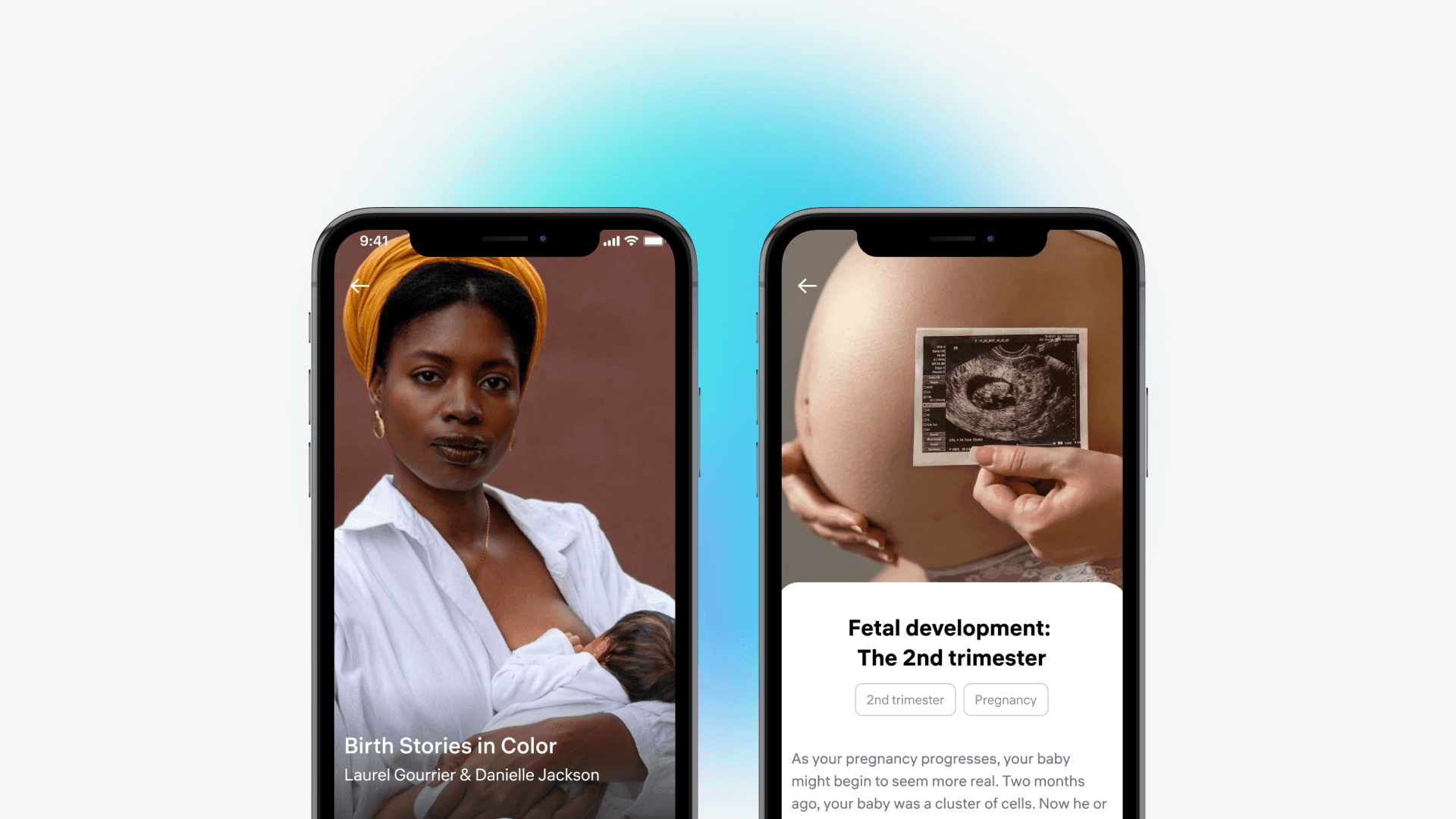
Designing the future of prenatal care. Pregnant women around the world face significant barriers to accessing healthcare, including high costs, long travel distances, and a shortage of medical professionals. In addition, incomplete data collection in maternal health limits the development of effective solutions, contributing to nearly 800 preventable maternal deaths per day in 2020.
Process
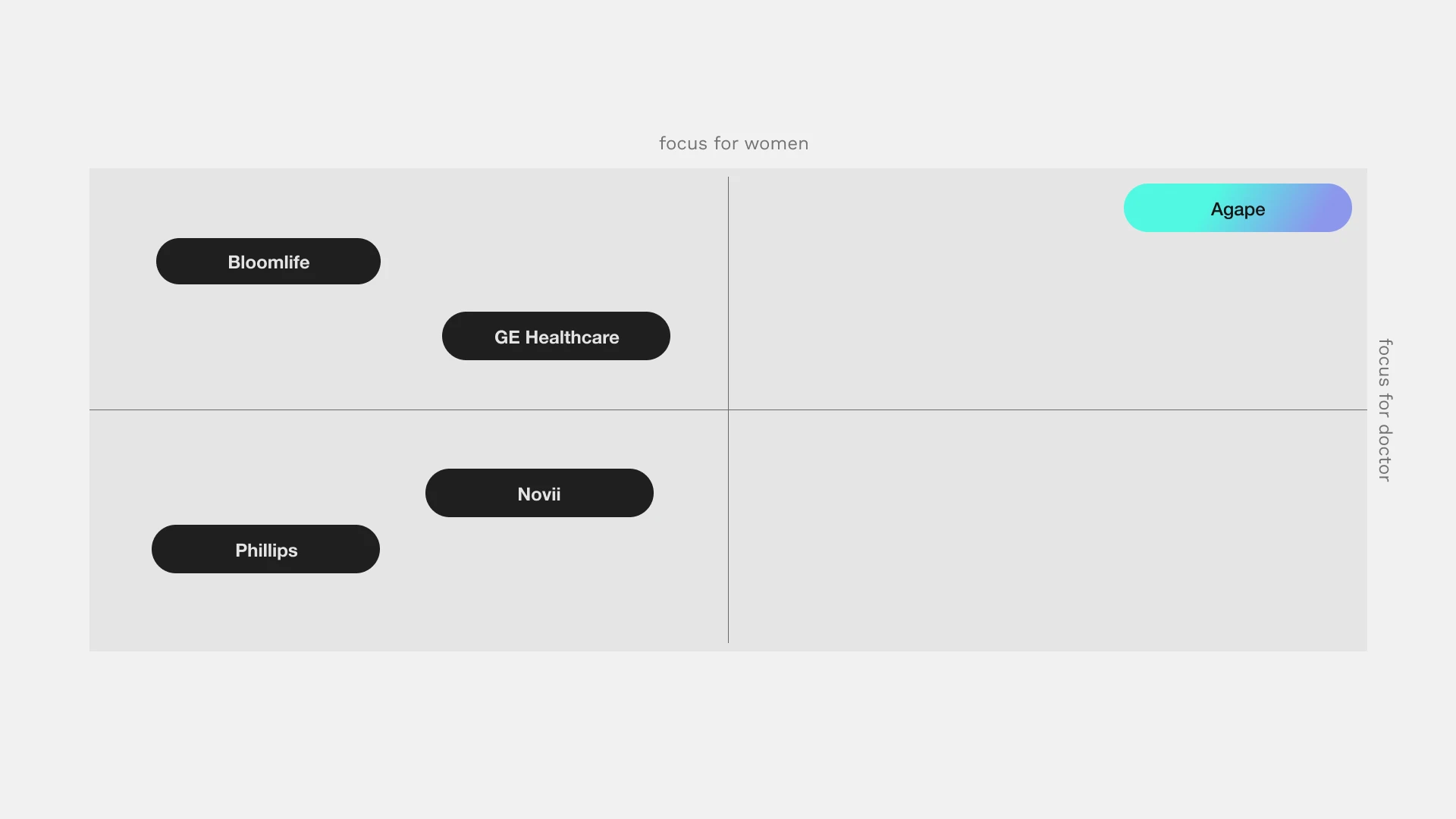
Agape is an ambitious concept focused on rethinking how people experience birth. The challenge was to translate a complex and emotionally sensitive topic into a clear and accessible digital experience. The project required building trust while communicating a forward thinking vision that resonates with expectant parents while also feeling credible and informative. The brand needed a strong identity and a digital platform that could explain the concept in an intuitive and engaging way.
Process
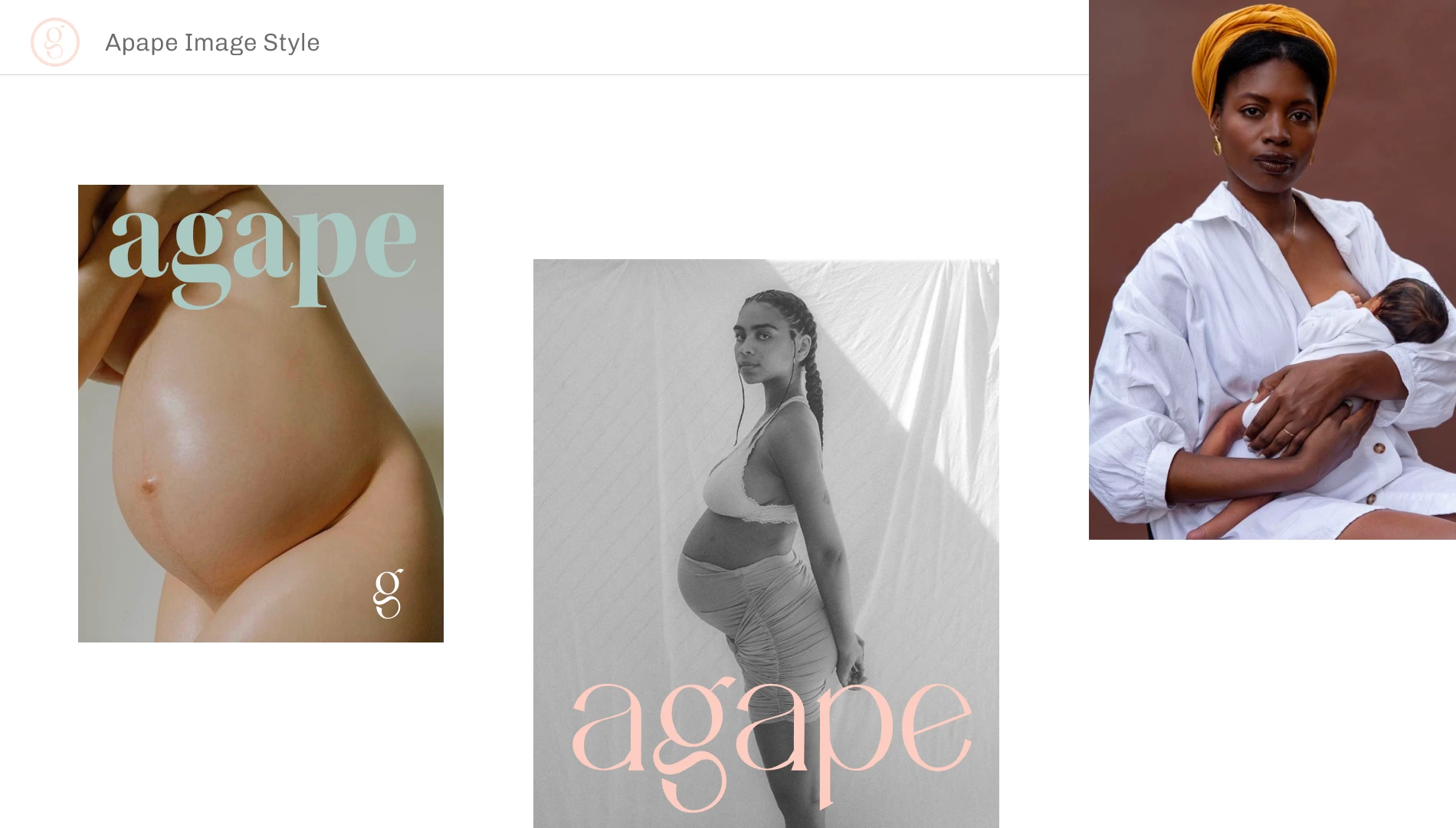
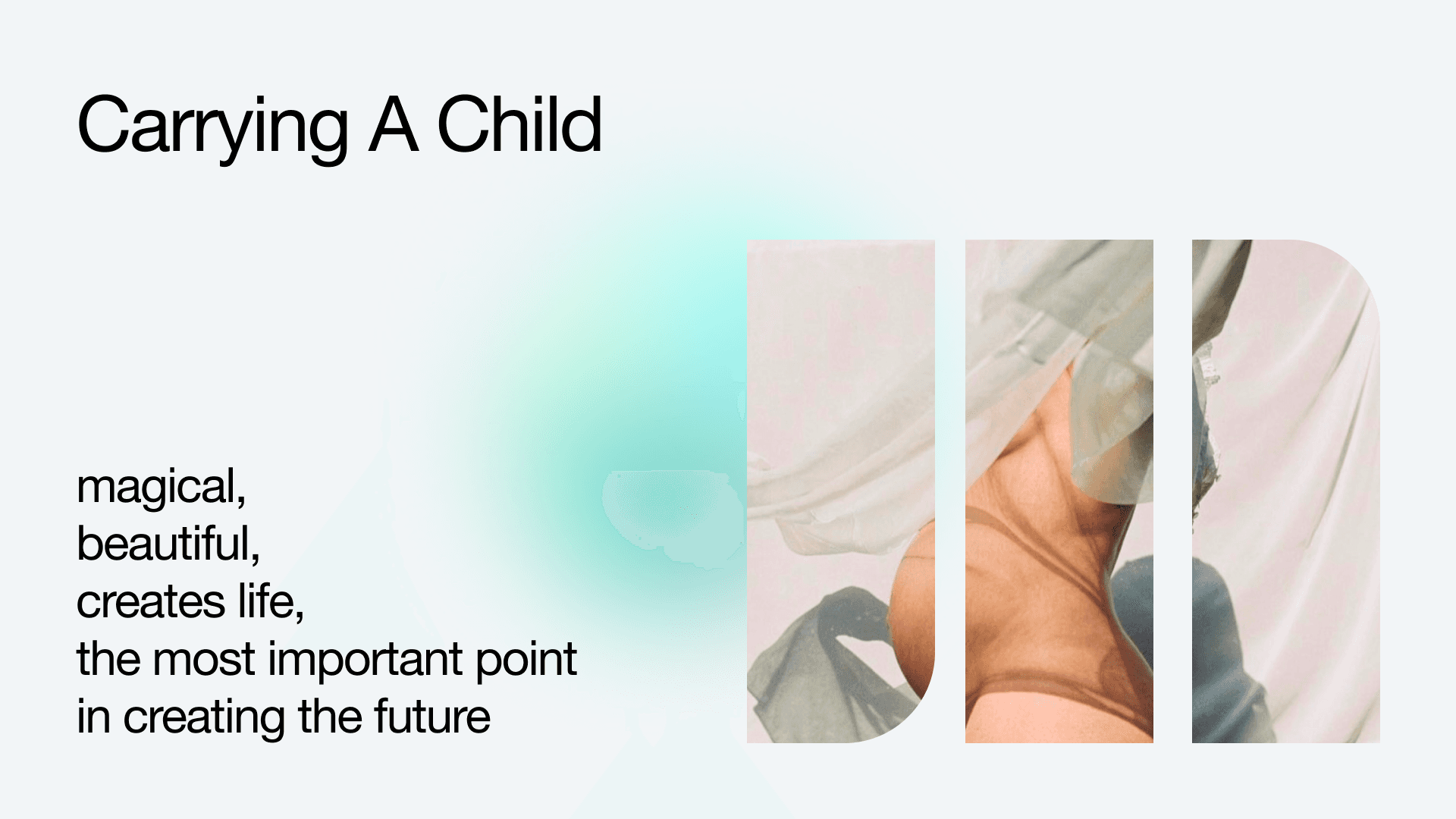
The project started with user research to better understand the needs, concerns and expectations of the target audience. Based on these insights I developed the UX structure and information architecture to guide users through the concept step by step. I then designed the visual identity and UI, creating a calm and modern aesthetic that reflects trust, empathy and innovation. The result was a cohesive design system that combines branding, UX and UI to communicate the vision clearly and emotionally.
Outcome
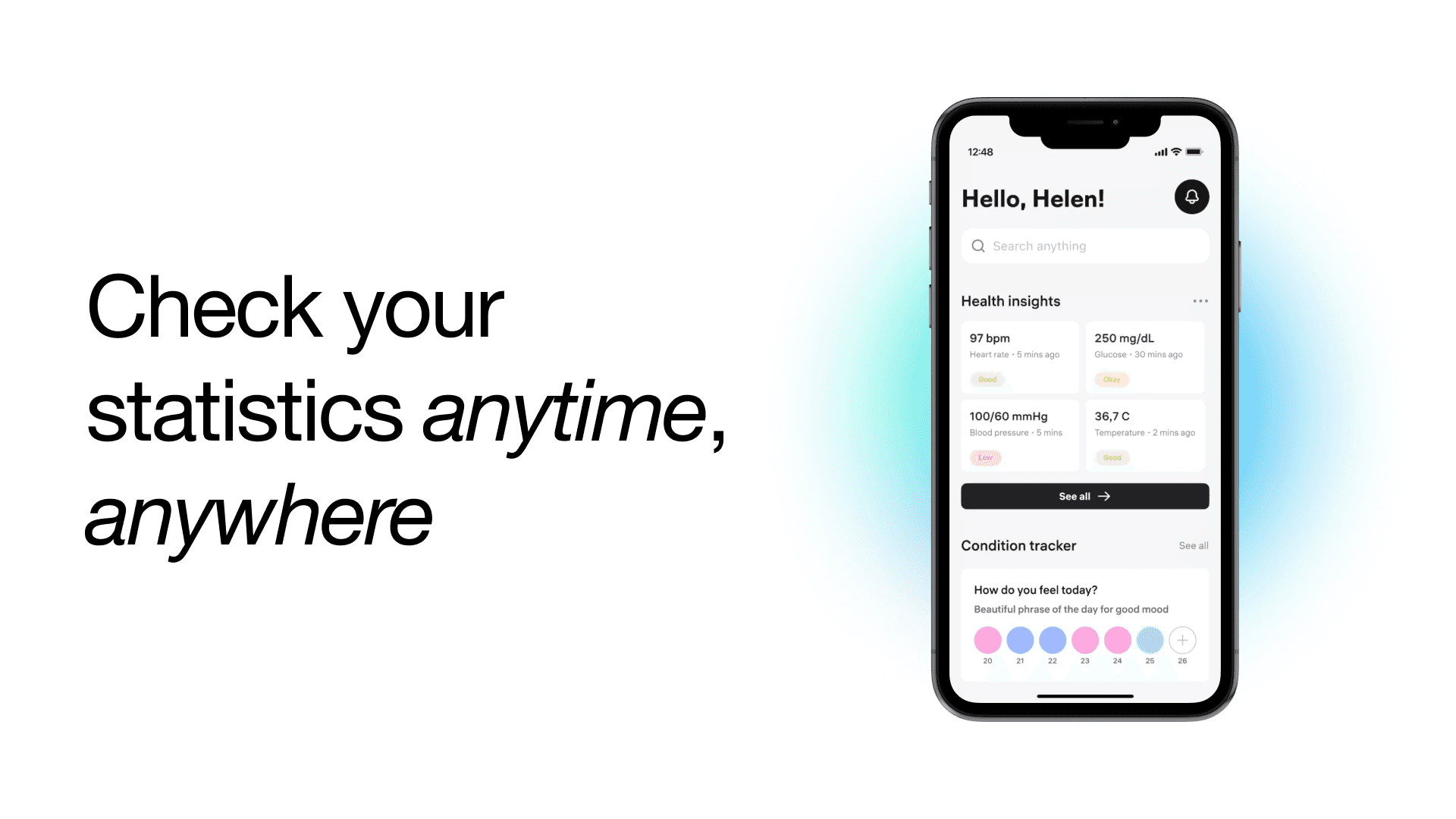
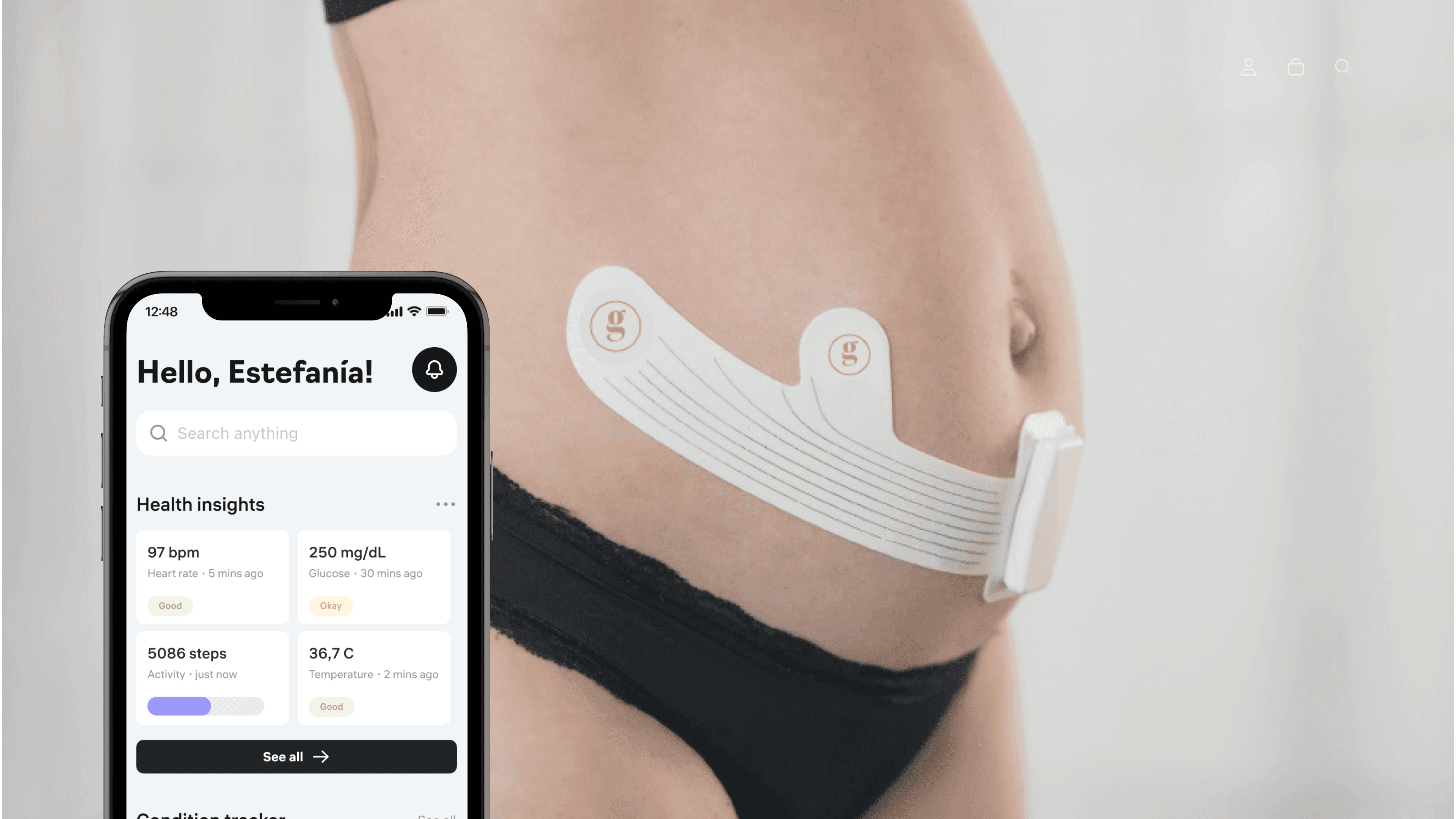
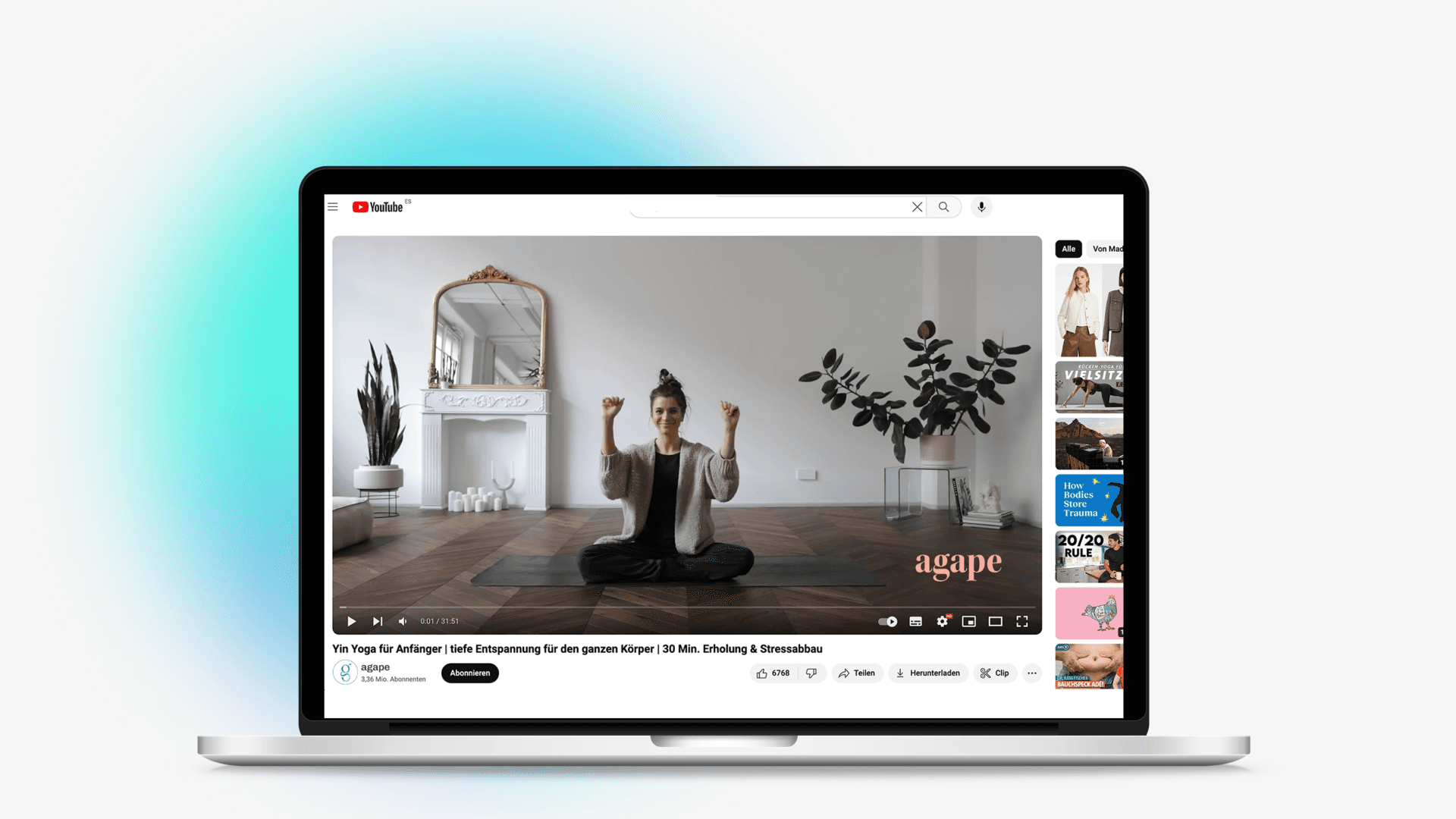
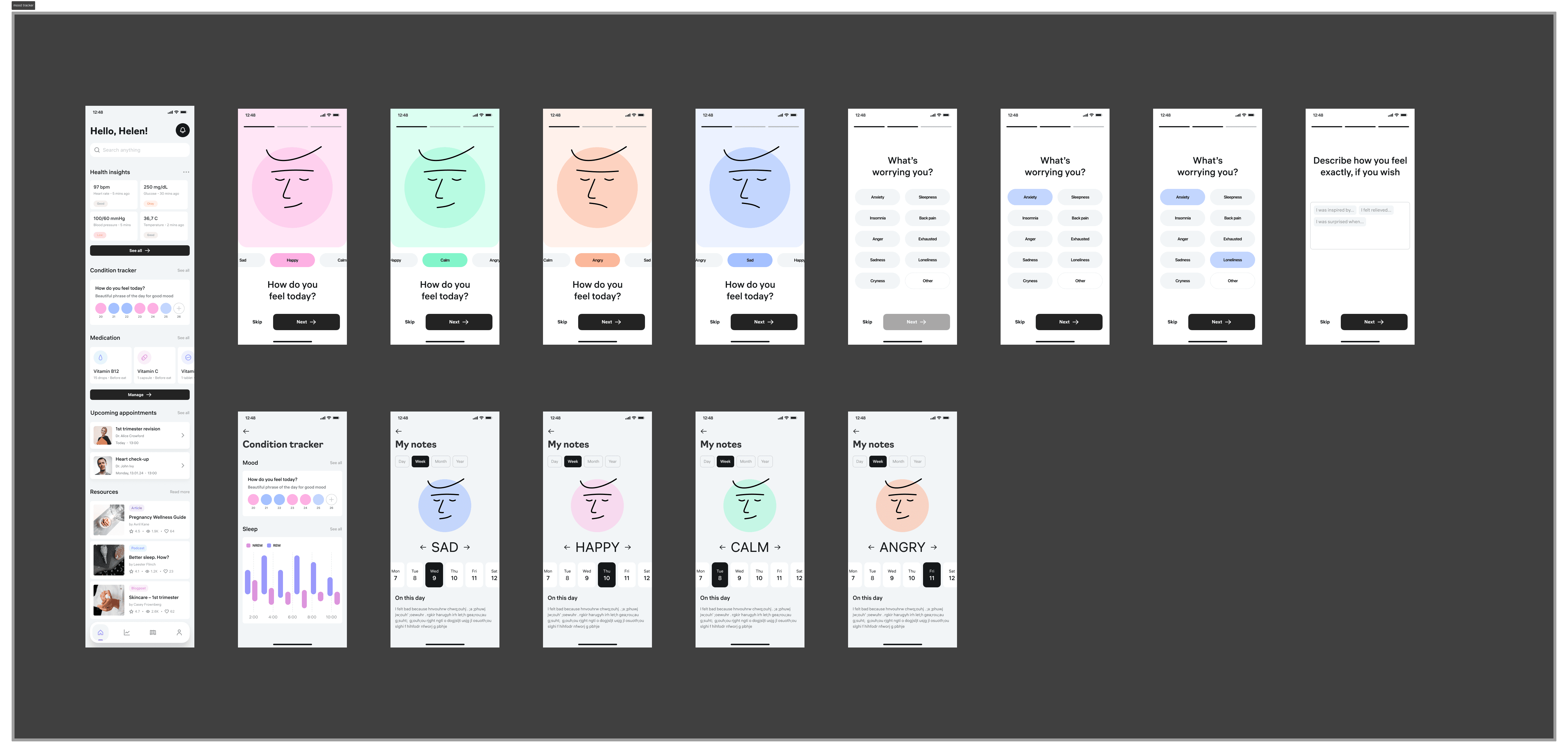
The final result is a high fidelity mobile app designed to seamlessly connect pregnant women with their doctors, paired with a comprehensive branding campaign including full brand guidelines. The project brings together UX strategy, interface design and visual identity into a cohesive system that feels approachable, intuitive and purposeful. By combining thoughtful interaction design with a clear and consistent brand language, the outcome demonstrates how design can create meaningful connections and make healthcare more accessible for the people who need it most.